



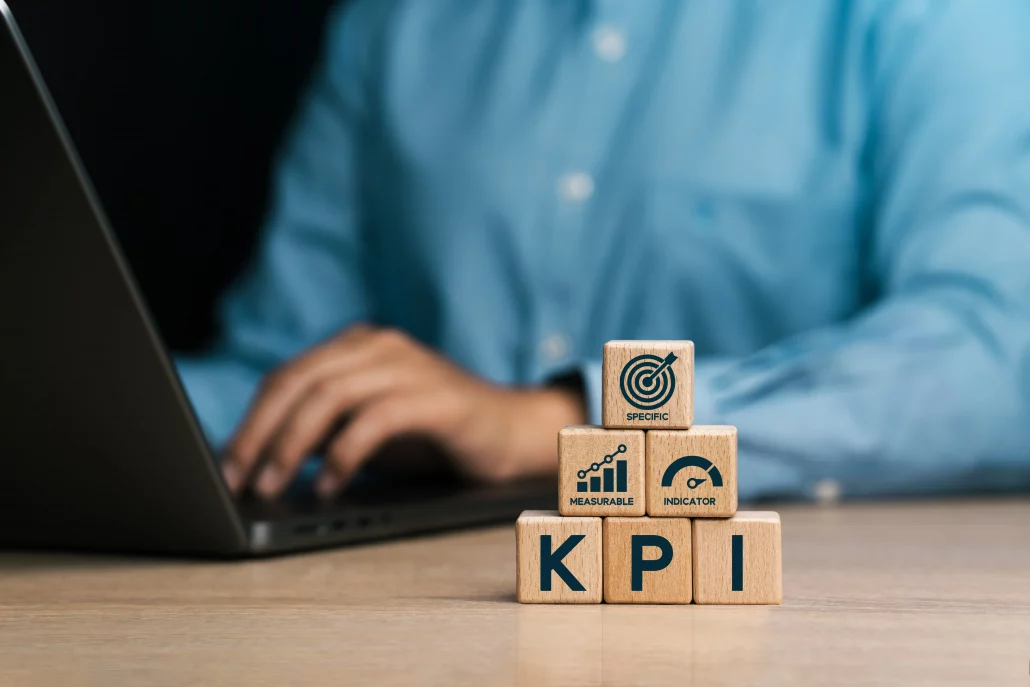
Accounts receivable KPIs are essential for understanding how well your organisation manages incoming payments. These metrics provide insight into cash flow, customer payment behaviour, and overall financial health. Tracking them consistently helps businesses make informed decisions and avoid liquidity issues.
What Are Accounts Receivable?
Vorderingen refers to money owed by customers for goods or services delivered but not yet paid for. These amounts appear as assets on the balance sheet because they represent future cash inflows. Managing accounts receivable effectively ensures steady cash flow and reduces the risk of bad debt.
Why Do Accounts Receivable KPIs Matter?
Accounts receivable KPIs measure performance in collecting payments. They highlight trends, identify bottlenecks, and reveal opportunities for improvement. Because late payments can disrupt operations, monitoring these KPIs helps businesses act quickly and maintain strong customer relationships.
Bekijk onze video hieronder:
Key Accounts Receivable KPIs to Track
Monitoring the right KPIs helps you understand how efficiently your organisation collects payments. Here are the most important metrics to focus on:
1. Days Sales Outstanding (DSO)
DSO measures the average number of days it takes to collect payment after a sale. A lower DSO indicates faster collections and healthier cash flow.
2. Average Collection Period
This KPI shows how long, on average, invoices remain unpaid. It helps assess whether credit policies are effective.
3. Accounts Receivable Turnover Ratio
This ratio reveals how often receivables are converted into cash during a period. A higher turnover means efficient collections.
4. Percentage of Overdue Invoices
Tracking overdue invoices highlights potential risks and helps prioritise follow-up actions.
5. Bad Debt Ratio
This KPI measures the proportion of receivables that cannot be collected. Keeping this ratio low is critical for profitability.

How to Improve Accounts Receivable KPIs
Improving these KPIs requires a mix of technology, clear policies, and proactive management. Here are practical steps to take:
- Automate invoicing and reminders: Digital tools speed up billing and reduce delays by sending timely reminders to customers.
- Set clear payment terms: Communicate expectations upfront to avoid confusion and disputes later. Well-defined terms encourage timely payments.
- Monitor KPIs regularly: Use dashboards and reports to track trends and act before issues escalate. Regular reviews help maintain control and prevent overdue invoices.
The Bottom Line
Accounts receivable KPIs are more than numbers; they are indicators of financial stability. By tracking and improving these metrics, businesses can maintain healthy cash flow, reduce risk, and strengthen customer relationships. Consistent monitoring ensures that outstanding invoices don’t become a barrier to growth.
Download our Accounts Receivable data sheet to learn more about how you can achieve your KPIs and business goals with our solution.