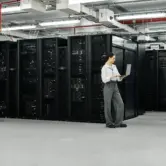







Australia’s data centre market is entering a significant period of growth. As AI adoption, cloud computing, digital services and sovereign data requirements drive demand, investment in digital infrastructure is accelerating. For electrical manufacturers, this creates an opportunity to participate in one of Australia’s emerging infrastructure growth markets.
In September, the Data Centre Investment Summit Australia brought together investors, developers, operators and advisors to discuss what comes next for the sector. One message was clear: demand is strong, but delivering new capacity will be complex.
A growing data centre market with complex delivery requirements
Data centres need substantial electrical infrastructure to operate reliably. This includes power distribution equipment, transformers, switchgear, cabling and other components that support continuous operations.
As facilities become larger and more power-intensive, demand for this equipment is also changing. Manufacturers are facing pressure to meet project specifications, manage longer lead times and coordinate deliveries around construction schedules.
There is also competition for manufacturing capacity. Electrical equipment manufacturers may be serving data centre projects alongside existing demand from utilities, renewable energy, construction and other infrastructure programmes.
Can existing supply chain processes support the opportunity?
A manufacturer’s ability to deliver depends on more than its own production schedule. It also relies on the availability of materials, components and services from its suppliers.
As purchasing volumes increase, so does the work involved in managing those relationships. Teams need to raise purchase orders, follow up on acknowledgements, track deliveries and resolve discrepancies. They also need to respond when project requirements or delivery dates change.
In many businesses, parts of this process still rely on paper requisitions, spreadsheets, emails and scanned documents.
For example, a purchasing team might receive an internal request by email, manually enter the details into its ERP system and then send a purchase order to a supplier. That supplier may respond with a PDF confirmation or a revised delivery date. Someone then needs to review the document, update the system and communicate the change to the relevant team.
Multiply this across hundreds of suppliers and regular purchasing activity, and the administrative workload can become substantial.
When projects operate against tight schedules, these gaps can make it harder to respond quickly.
Prepare the business for the opportunities ahead
Australia’s data centre boom will not remove the challenges facing electrical manufacturers. Power constraints, project timing, equipment availability and changing customer requirements will continue to influence which projects proceed and how quickly they are delivered.
Nor will every manufacturer supply directly into data centre developments. However, those that do participate will need to manage more complex purchasing and supplier relationships as demand grows.
The first step is to understand where existing processes could limit that growth. Are purchase requests still handled manually? Do supplier confirmations arrive in formats that require rekeying? Can teams quickly identify which orders are delayed or need attention?
Addressing these issues does not have to mean a complete systems overhaul. Manufacturers can start with the processes creating the greatest administrative burden or visibility gaps, then expand as their requirements change.
The opportunity in Australia’s data centre market is significant, but growth will favour businesses that can deliver consistently as well as compete on product and price.